
Reichman University · Herzliya, Israel

The Baruch Ivcher Institute for Brain, Cognition & Technology

Founded and directed by Prof. Amir Amedi, our multidisciplinary lab studies how experience, sensory input and technology reshape the human brain. From our immersive Ambisonic Room and advanced MRI center to our research collaborations with Remepy and other academic and industry partners, we connect fundamental neuroscience with tools that can improve human health and experience.

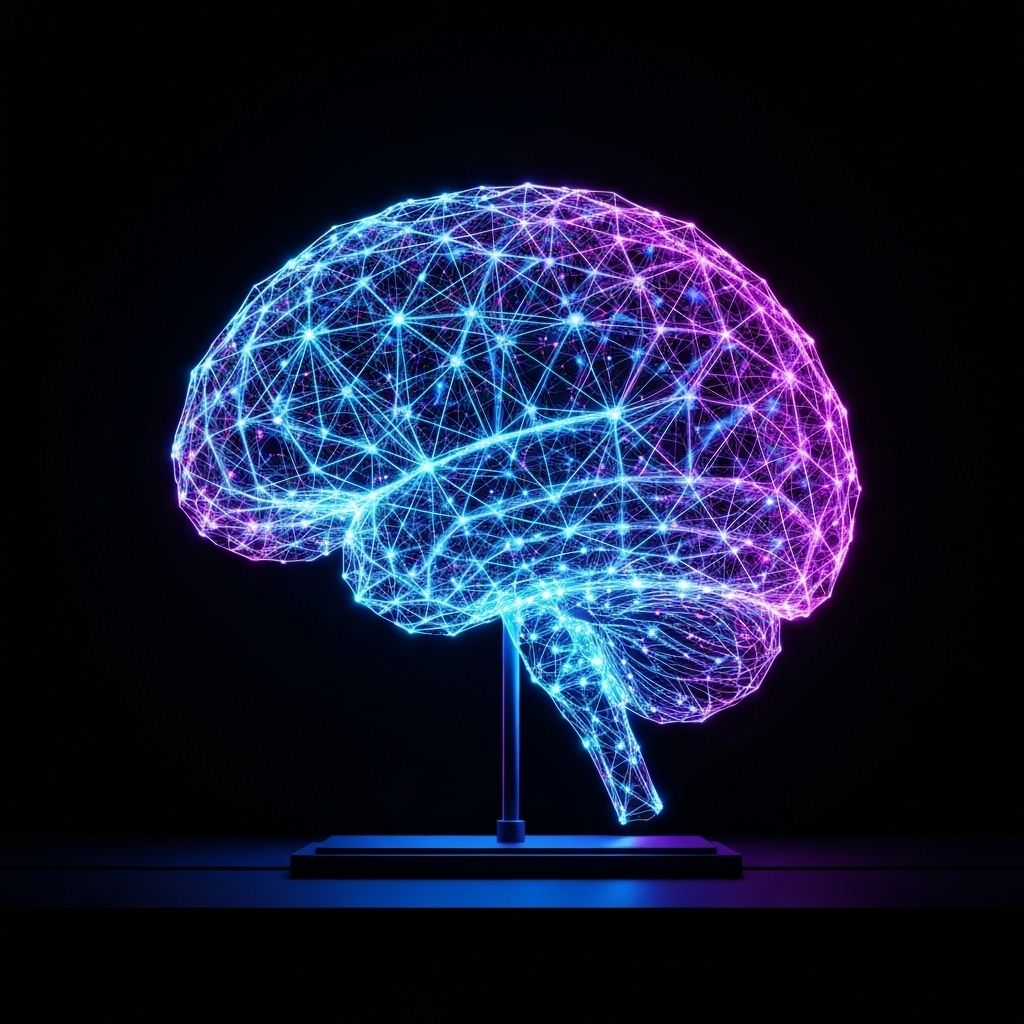
Brain visualization from the Amedi Lab

Featured publications

Translational work, multisensory discovery and human neuroplasticity

2026

Neural correlates of Parkinson’s improvements after combined digital-levodopa therapy: a pilot study

Brain Communications

2026

Local and global microstructural and functional thalamomotor connectivity alterations in Parkinson’s disease following motor learning

npj Parkinson’s Disease

2025

Mobile application leads to psychological improvement and correlated neuroimmune function change in subjective cognitive decline

npj Digital Medicine

2025

Brain connectivity correlates of the impact of a digital intervention for individuals with subjective cognitive decline on depression and IL-18

Scientific Reports

2024

Perceptual learning and neural correlates of virtual navigation in subjective cognitive decline: A pilot study

iScience

2025

Feeling the music: exploring emotional effects of auditory-tactile musical experiences

Frontiers in Virtual Reality

2026

Digital neuroplasticity modulation of the brain-immune axis: Translational strategies for neurodegenerative, psychiatric, and aging-related conditions

Neural Regeneration Research

2005

The plastic human brain cortex

Annual Review of Neuroscience

About the institute

Science that moves between senses, disciplines and real life

The Baruch Ivcher Institute brings together neuroscience, psychology, engineering, medicine and design to understand the organizing principles of the human brain—and to turn that knowledge into new forms of rehabilitation, communication and care.

Prof. Amir Amedi

Founder & director

Prof. Amir Amedi

Prof. Amir Amedi is a professor at Reichman University’s School of Psychology and a pioneer in multisensory processing, sensory substitution, brain imaging and human neuroplasticity. He is the founding director of both the Baruch Ivcher Institute for Brain, Cognition & Technology and the Ruth and Meir Rosenthal Brain Imaging Center, as well as a co-founder and Chief Scientific Officer of Remepy.

His multidisciplinary background spans computational neuroscience, neurology and music. After doctoral training at the Hebrew University of Jerusalem, he conducted research at the NIH and Harvard Medical School; he is also an adjunct professor at the Institute de la Vision at Sorbonne University in Paris.

Prof. Amedi has published more than 100 papers, holds patents in multisensory rehabilitation and has received major awards from the Wolf Foundation, the Human Frontier Science Program and the James S. McDonnell Foundation.

Follow Prof. Amedi

Our work asks a deceptively simple question: how does the brain represent the world when information arrives through different senses, technologies or learned experiences? We study people with and without sensory loss to reveal how the cortex reorganizes, how multisensory signals are integrated and how new sensory channels can be learned.

Experiments range from behavioral and virtual-reality paradigms to high-resolution fMRI and immersive audio-tactile environments. The institute’s unique Ambisonic Room allows precisely controlled three-dimensional sound, motion capture, tactile stimulation and physiological monitoring, while the Ruth and Meir Rosenthal Brain Imaging Center enables advanced mapping of brain structure, function and connectivity.

This scientific foundation also supports translational collaboration. With Remepy—an independent therapeutics company co-founded by Prof. Amedi—the institute investigates neuroplasticity and brain–immune mechanisms relevant to Hybrid Drugs. Partnerships with other laboratories, hospitals and companies—including brain.space and Woojer—help us test new measurement tools, multisensory products and research approaches beyond the boundaries of a traditional lab.

Multisensory research

A 97-speaker Ambisonic Room for immersive studies of sound, touch, vision and movement.

Advanced neuroimaging

Research supported by the Ruth and Meir Rosenthal Brain Imaging Center at Reichman University.

Translational neuroscience

Research with Remepy connects mechanisms of neuroplasticity with the science behind Hybrid Drugs™.

A collaborative network

Partnerships with academic labs, clinicians and technology companies expand what we can study and build.

Industry collaboration

Remepy

Remepy is an industry-defining private therapeutics company pioneering Hybrid Drugs™—a new treatment category that combines pharmaceuticals with targeted digital interventions. The company conducts research in collaboration with the Baruch Ivcher Institute, and Prof. Amir Amedi is a co-founder and its Chief Scientific Officer.

Remepy

About Remepy

Redefining medicine through Hybrid Drugs™

Remepy is pioneering a new category of therapy by combining pharmaceuticals with targeted digital interventions. Its mission is to deliver more personalized, adaptive and effective care—helping patients heal through the unified power of biology, behavior and technology.

Remepy recently raised $36 million in Series A funding as it prepares its AI-driven Parkinson’s treatment for Phase III clinical development.

The company brings together scientists, technologists, physicians and creators around the belief that the future of medicine is multidimensional. Its Hybrid Drugs integrate traditional medication with evidence-based, app-delivered digital protocols designed to complement pharmacological treatment and improve clinical outcomes.

Research conducted with the institute draws on neuroplasticity, multisensory integration, brain imaging and brain–immune mechanisms. Prof. Amedi contributes to this work as Remepy’s co-founder and Chief Scientific Officer while continuing to lead the Baruch Ivcher Institute.

Visit Remepy

Media & Highlights

See, hear and share the lab’s work

A showcase hub for featured talks, interviews, podcasts, coverage, public initiatives and the lab’s social channels.

לגעת במוזיקה: הפיתוח שעוזר לשקם נפגעי טראומה של 7 באוקטובר

Touching Music: a multisensory approach to trauma rehabilitation

KAN News visits the lab’s audio-tactile work and its use in supporting people affected by trauma.

Watch on YouTube

TEDxJerusalem

Seeing with the Ears, Hands and Bionic Eyes

Prof. Amir Amedi explains how sensory substitution reveals the brain’s remarkable capacity to reorganize.

Watch on YouTube

העתיד כבר כאן — עונה 2, פרק 1

Engineering the Senses

How the human brain adapts to sensory loss and learns to use information from other senses to compensate.

Watch on YouTube

Facilities

Spaces built for multisensory and imaging research

Two complementary facilities enable immersive behavioral experiments and advanced mapping of brain structure, function and connectivity.

Immersive research

Multisensory Ambisonic Room

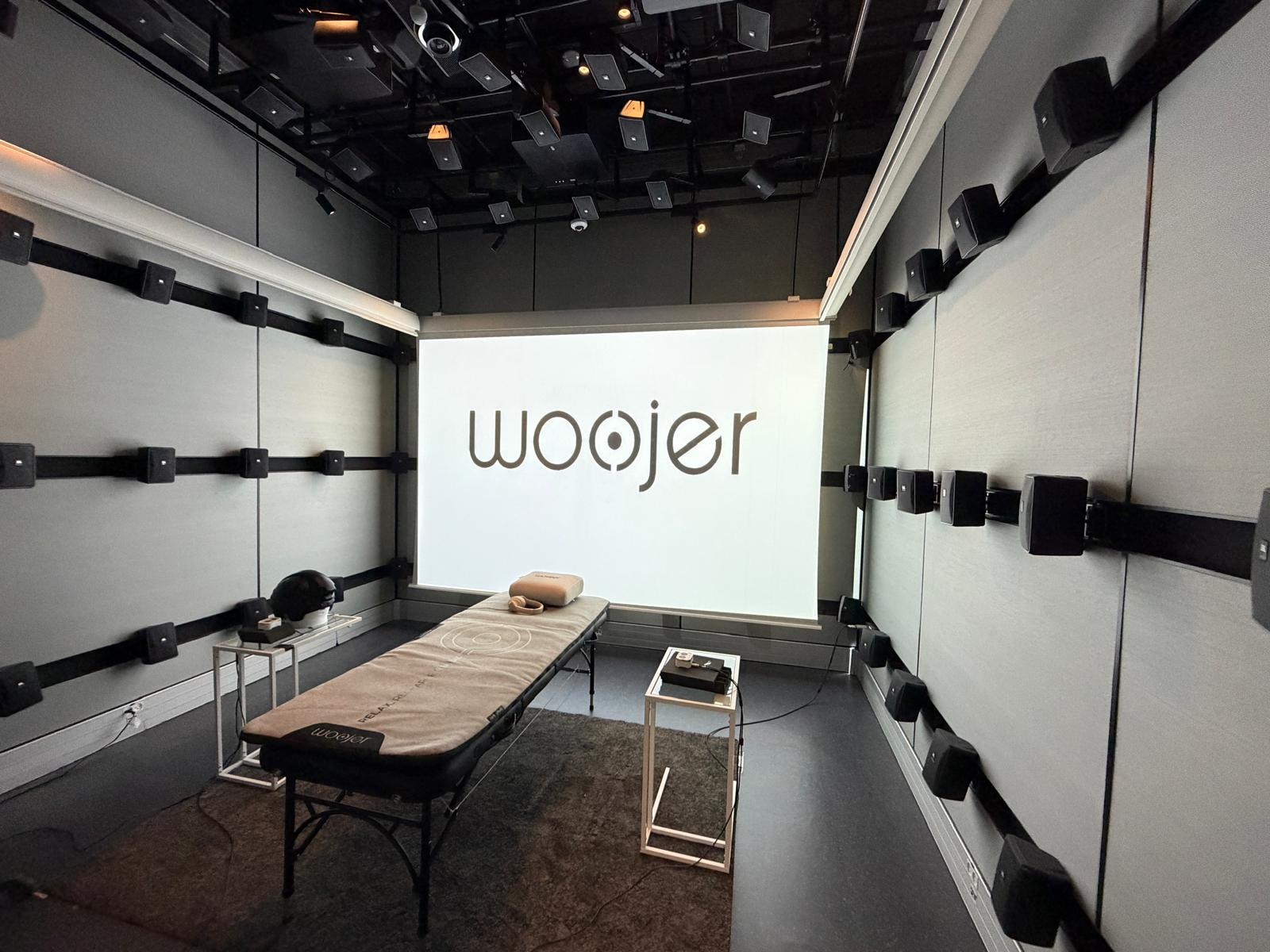
Our cube-shaped research space features 97 line-array speakers and a professional sound studio with 12th-order ambisonic setup, delivering 360-degree immersive audio.

Capabilities include full-motion capturing, binaural recording, physiological monitoring (heart rate, GSR, breathing), and synchronized light projection.

We use this facility to study multisensory integration—vision, audition, touch, and movement—with concurrent fMRI brain imaging and spatial sound processing.

Watch full video →

Advanced neuroimaging

The Ruth and Meir Rosenthal Brain Imaging Center

The Baruch Ivcher Institute for Brain, Cognition & Technology is based at Reichman University and works with the Ruth and Meir Rosenthal Brain Imaging Center at Reichman University. The center provides state-of-the-art neuroimaging capabilities, including high-resolution fMRI and advanced brain-mapping methods, supporting research on plasticity, sensory processing and multisensory integration.

Watch video →

Partnerships

Expanding research through technology partnerships

We collaborate with companies whose tools make new types of brain measurement and multisensory research possible, while sharing scientific insight that can help guide future product development.

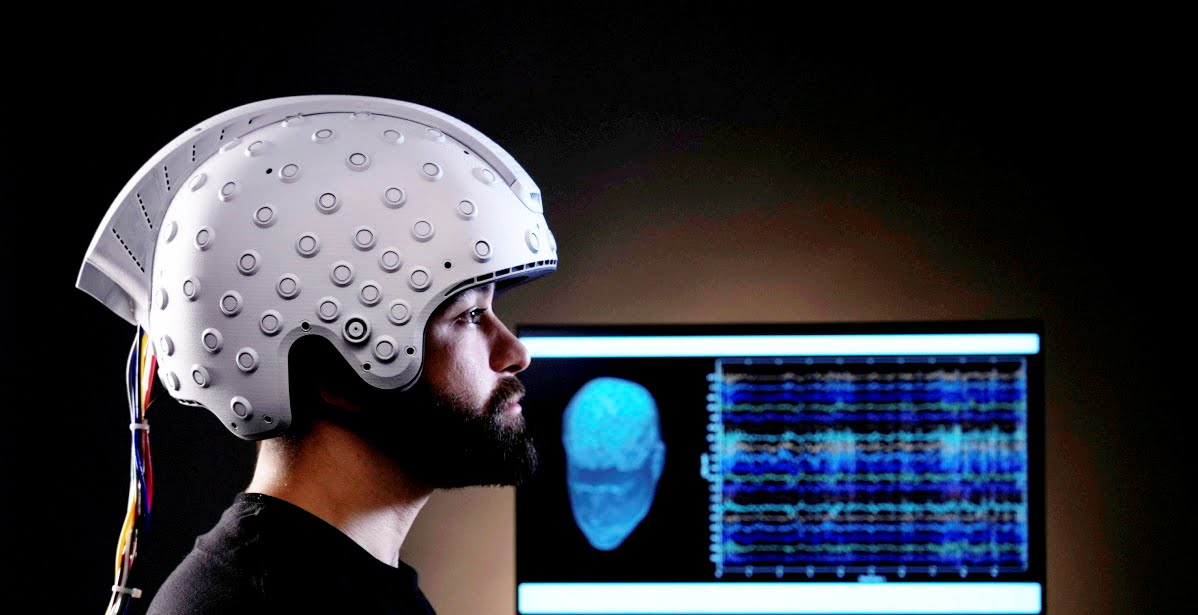
A participant wearing the brain.space Brain Sensei dry EEG headgear
brain.space

High-density dry EEG research

We are conducting research with brain.space using its Brain Sensei headgear—a portable system with 115 dry EEG sensors and automated sensor calibration—to collect high-resolution brain data in flexible experimental settings.

Woojer products in the Amedi Lab multisensory research room
Woojer

Audio-tactile technology and R&D

Our partnership with Woojer uses wearable haptic products in multisensory research. Findings from the lab also support product research and development, creating a practical exchange between neuroscience and immersive audio-tactile technology.

Visit Woojer

Selected publications

Research with lasting impact

A curated selection spanning research conducted with Remepy, multisensory music, digital medicine and foundational work on human neuroplasticity.

2026

Neural correlates of Parkinson’s improvements after combined digital-levodopa therapy: a pilot study

Brain Communications

Links improvements following combined digital and levodopa therapy with changes in thalamocortical connectivity.

2026

Local and global microstructural and functional thalamomotor connectivity alterations in Parkinson’s disease following motor learning

npj Parkinson’s Disease

Examines structural and functional changes in thalamomotor pathways after learning in Parkinson’s disease.

2025

Mobile application leads to psychological improvement and correlated neuroimmune function change in subjective cognitive decline

npj Digital Medicine

A randomized study connecting a mobile intervention with psychological improvement and neuroimmune change.

2025

Brain connectivity correlates of the impact of a digital intervention for individuals with subjective cognitive decline on depression and IL-18

Scientific Reports

A pilot study of brain-connectivity, depressive-symptom and immune-marker changes following a digital intervention.

2024

Perceptual learning and neural correlates of virtual navigation in subjective cognitive decline: A pilot study

iScience

Investigates learning and neural change during virtual navigation in people with subjective cognitive decline.

2025

Feeling the music: exploring emotional effects of auditory-tactile musical experiences

Frontiers in Virtual Reality

Tests how synchronized vibrotactile feedback can strengthen positive mood and reduce state anxiety during music.

2026

Digital neuroplasticity modulation of the brain-immune axis: Translational strategies for neurodegenerative, psychiatric, and aging-related conditions

Neural Regeneration Research

A translational framework for using digital interventions to engage neuroplastic and brain-immune mechanisms.

2005

The plastic human brain cortex

Annual Review of Neuroscience

A landmark review of the mechanisms, opportunities and clinical implications of human cortical plasticity.

Our Team

Prof. Amir Amedi

Prof. Amir Amedi

Founder and Director

Daphna Israeli

Daphna Israeli

Lab Manager & PhD Student

Ofek Salama

Ofek Salama

Doctoral Student & Researcher

Avital Radosher

Avital Radosher

Doctoral Student & Researcher

Ohad Haviv Buck

Ohad Haviv Buck

Research Lead & Lab Management

Ido Levi

Ido Levi

PhD Student

Yossi Elimelech

Yossi Elimelech

Researcher

Neta Scop

Neta Scop

Research Lead

Get in Touch

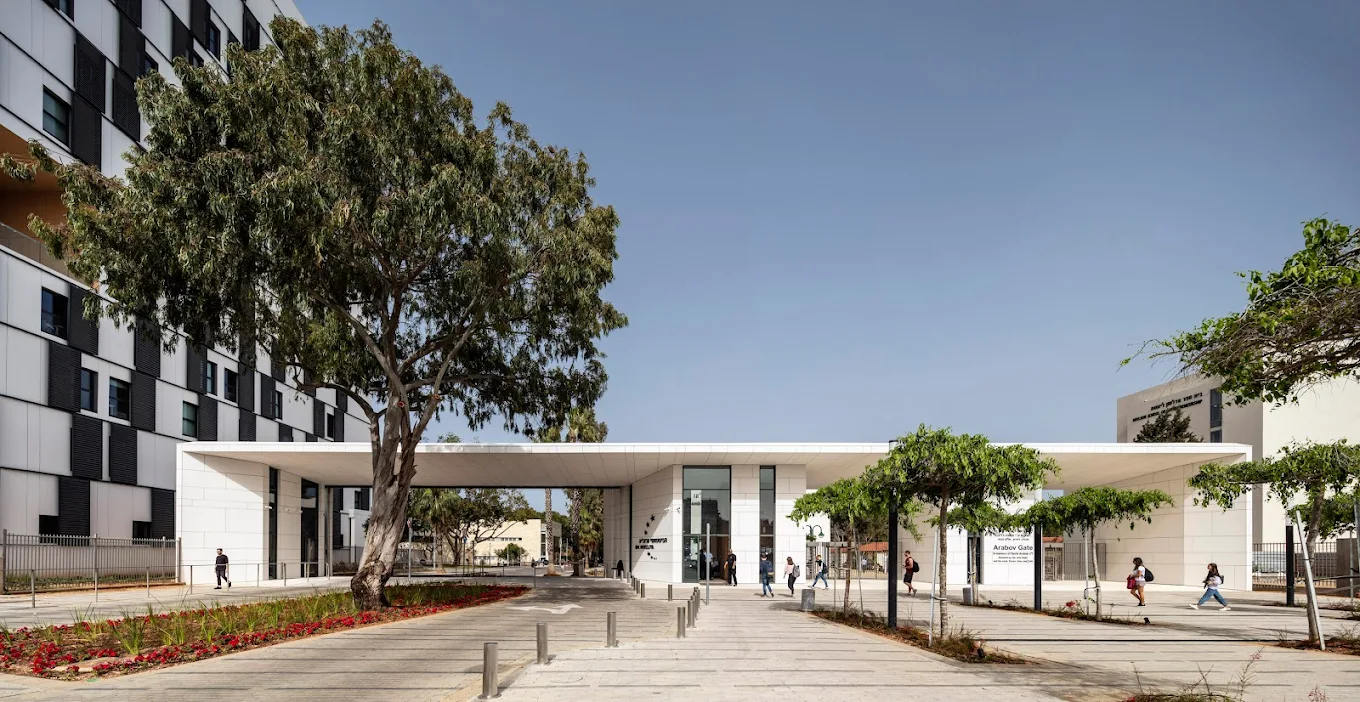
Reichman University campus

Contact Information